Communities
Creative Solutions to Critical Housing Problems
Over five decades of lending and investing more than $16 billion in multifamily housing, CPC has a long and diverse track record of bringing together innovative partnerships, capital, and expertise to deliver long-term stability to New York’s affordable housing stock, a resource that only grows more critical for current and future generations of New Yorkers as the affordable housing crisis worsens.
CPC has the demonstrated capacity to address disinvestment and distress not just in individual properties, but in large-scale portfolios of workforce, rent stabilized, and affordable housing across New York. CPC has achieved impact at this scale by investing equity in large projects and in portfolios of debt or real estate. CPC Communities is a commitment of staff and capital, available to replicate and expand this type of intervention.
As New York City sees more portfolios of rent stabilized housing heading towards distress, CPC is working with our public and private sector partners to develop and implement solutions. This work is guided by a decades-long dedication to shoring up the physical and financial conditions of New York City’s affordable housing stock and maintaining affordability while restoring long-term stability.
Large-Scale Investments in Communities


Community Stabilization Partners
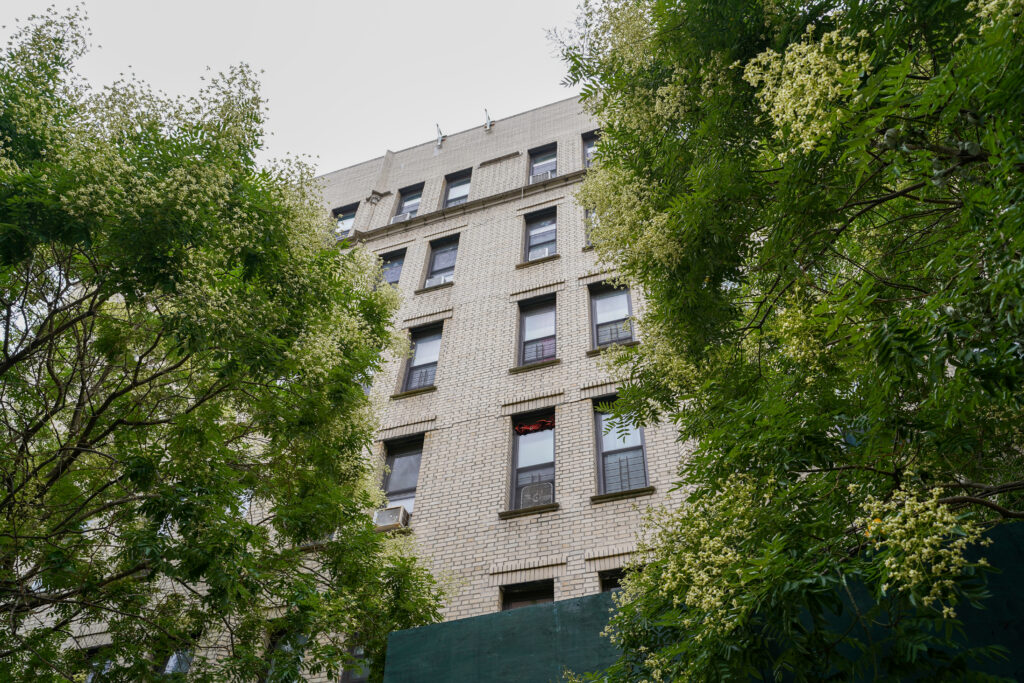
Community Stabilization Partners (CSP) is a joint venture between The Community Preservation Corporation and Related Fund Management established to take an equity position in, and manage, a portfolio of commercial loans secured by approximately 1,100 multifamily buildings and 35,000 housing units in New York City, the majority of which are rent stabilized. These loans were formerly held by Signature Bank.
CSP is focused on preserving the long-term affordability as well as the physical quality and financial stability of these properties. Accordingly, CSP is working to stabilize the overall physical and financial health of buildings through loan modifications and capital improvement programs as needed.
Parkchester
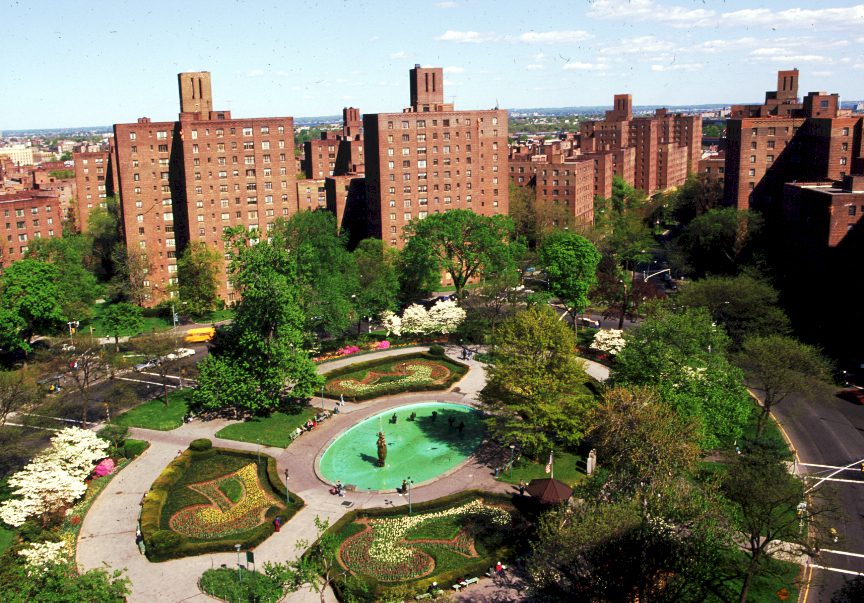
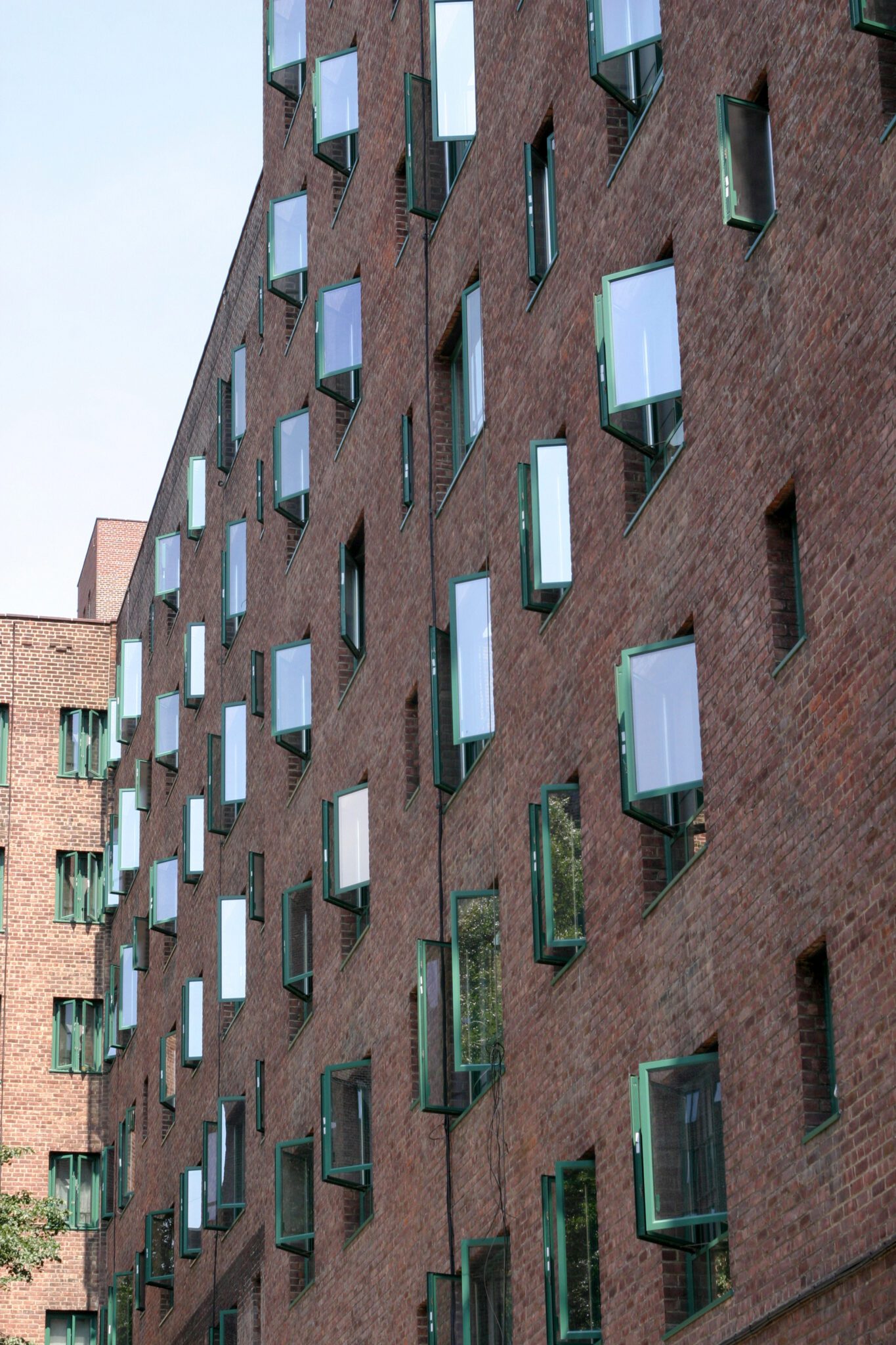
Located in the southeast Bronx and built between 1939 and 1942 by MetLife as middle-income rental housing, Parkchester was the largest privately built planned community in America. In 1968, the previous owner converted the complex into two condominiums, Parkchester South with 8,286 units and Parkchester North with 3,985 units. When the borough fell on hard times in the 1970s, many of the condo units went unsold, retail tenants left, and the complex slid into extreme disrepair and financial distress. By 1995 the complex was in dire straits.
At the behest of community stakeholders, CPC joined two real estate partners to form a joint venture and acquire 6,360+ unsold units, the retail space, and parking garages. The $250 million revitalization of Parkchester’s 171 buildings, 12,271-residential units, and 500,000 square-feet of retail space was a ten- year undertaking that included: the installation of more than 65,000 new windows; new, high capacity wiring and copper piping in every apartment; a complete revitalization of the retail space, including a long-term commitment from anchor tenant Macy’s. Though CPC is no longer an equity partner at Parkchester, its revitalization as a haven of naturally affordable housing has served a catalyst for opportunity and stability within the neighborhood for decades.

PACT-RAD Conversion: NYCHA Manhattan Bundle
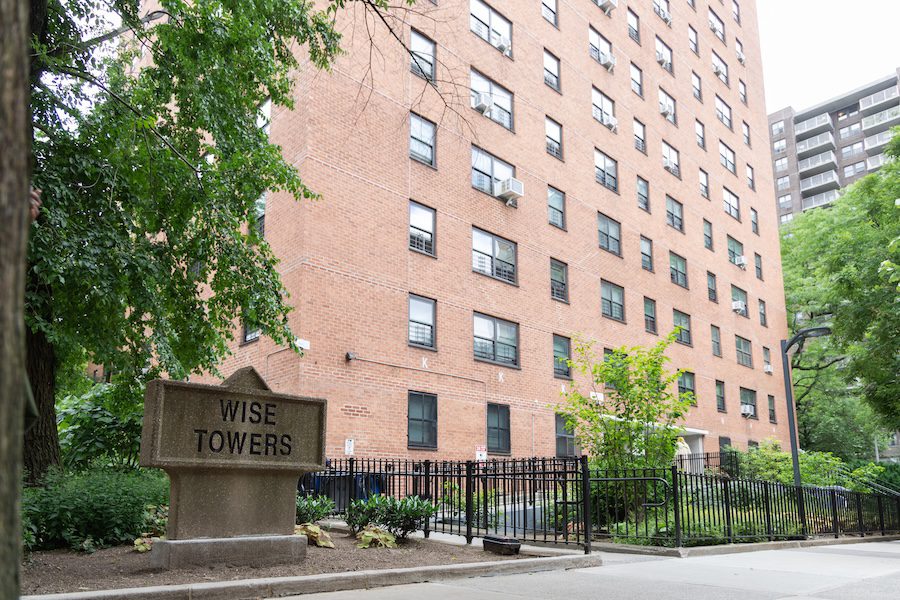
In 2019, New York City Housing Authority (NYCHA) selected the PACT Renaissance Collaborative (PRC), a consortium of leading organizations dedicated to the development, preservation, and revitalization of affordable housing in New York City, to revitalize 16 public housing developments. Ranging from small scattered-site walkups to large high-rise towers, the properties were located primarily in Upper Manhattan, as well as in Murray Hill and the Upper West Side.
The PRC team was responsible for the financing, renovation, and management of the project through the city’s Permanent Affordability Commitment Together (PACT) program, which aims to stabilize and revitalize the city’s irreplaceable public housing stock.
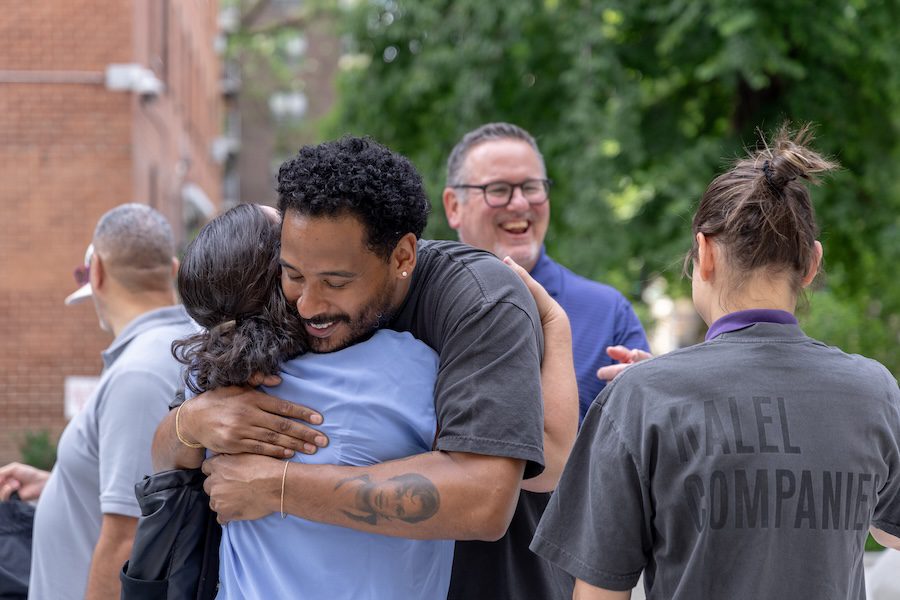
PRC is comprised of Monadnock Development, The Community Preservation Corporation (CPC), The Community Development Trust (CDT), Kalel Companies, Lemor Development Group and Community League of the Heights (CLOTH).
When the renovation work ended in 2024, the PRC team had completed comprehensive upgrades and repairs to 1,718 apartments, replaced critical building-wide systems, revitalized indoor and outdoor common areas, and implemented social services for the more than 2,900 Manhattan residents who call these developments home.
Communities Leadership

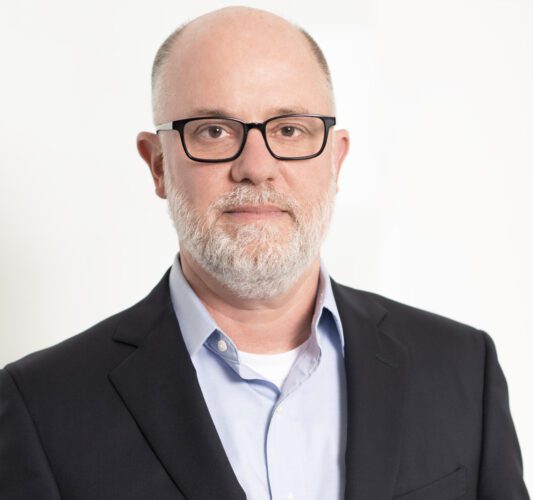
Robert Riggs
Robert Riggs
Senior Managing Director
Head of CPC Communities
646-822-9428
As Senior Managing Director and Head of CPC Communities, Robert Riggs draws on CPC’s decades of experience as a full-service multifamily lender, including the management of its nearly $12 billion servicing portfolio, to develop and scale solutions to address large scale disinvestment and distress in portfolios of workforce, rent stabilized, and affordable housing across New York City. In this capacity he also oversees the asset management of the Community Stabilization Partners (CSP) loan portfolio, comprising more than 860 permanent loans and nearly 35,000 units of rent stabilized multifamily housing from the former Signature Bank portfolio. Previously, as the head of CPC’s New York City Originations division, Robert was responsible for overseeing the company’s lending operations throughout the city’s five boroughs and Long Island. Robert joined CPC in 2000 as a Mortgage Officer, having served at the Federal Reserve Bank of New York analyzing strategies for private lending and investment in urban communities. Robert earned a Master’s Degree in Urban Planning from Columbia University and a Bachelor of Arts in Architecture from Princeton University.